
In this article
- What does leading through change actually mean?
- 1. Give people clarity, even when you can’t give them certainty
- 2. Explain what’s changing and why
- 3. Recognise that change is a human challenge
- 4. Help your team focus on the next step
- 5. Remember that leaders set the tone
- 6. Respond rather than react under pressure
- 7. Keep communicating as circumstances evolve
- 8. Give people practical tools, not just reassurance
- 9. How can organisations support leaders through change?
- Frequently asked questions about leading through change
Change is inevitable in business. But leading people through it isn’t always straightforward.
Whether you’re managing a restructure, introducing new technology, responding to difficult market conditions or navigating a change in direction, your people will have questions.
What’s happening? Why is it happening? What does this mean for me? And perhaps most importantly, what happens next?
The challenge for leaders is that they don’t always have all the answers.
But here’s the important distinction: you don’t need to have complete certainty to provide meaningful clarity.
Paul McGee, keynote speaker, bestselling author and creator of The SUMO Method, has spent more than 30 years helping organisations and their people navigate change, communicate more effectively and respond to challenges.
His approach focuses on something that can easily get overlooked during organisational change: the human side.
What does leading through change actually mean?
Leading through change means helping people understand, respond to and move forward during periods of uncertainty or transition.
It’s more than announcing a new strategy or explaining an organisational restructure.
Effective change leadership involves communicating clearly, understanding how people are affected, responding to concerns and helping teams focus on what they can do next.
While plans, processes and systems matter, people ultimately determine how successfully those changes are adopted.
For leaders, that means looking beyond the practical details of what’s changing and considering how people are experiencing it.
1. Give people clarity, even when you can’t give them certainty
One of the biggest mistakes leaders can make during change is believing they must have every answer before communicating with their team.
That simply isn’t realistic.
Sometimes the next stage of a project is still being decided. Market conditions may be changing. Senior leadership might still be working through the implications of a decision.
The temptation is to wait until everything is certain.
But silence can leave people filling the gaps themselves.
Good leadership isn’t about pretending to know everything. It’s about being honest about what you know and clear about what happens next.
As Paul explains, leaders can acknowledge uncertainty while still giving people a general direction and an immediate next step.
Paul explains why good leaders don’t need every answer, but do need to give their teams clarity about the direction and next steps.
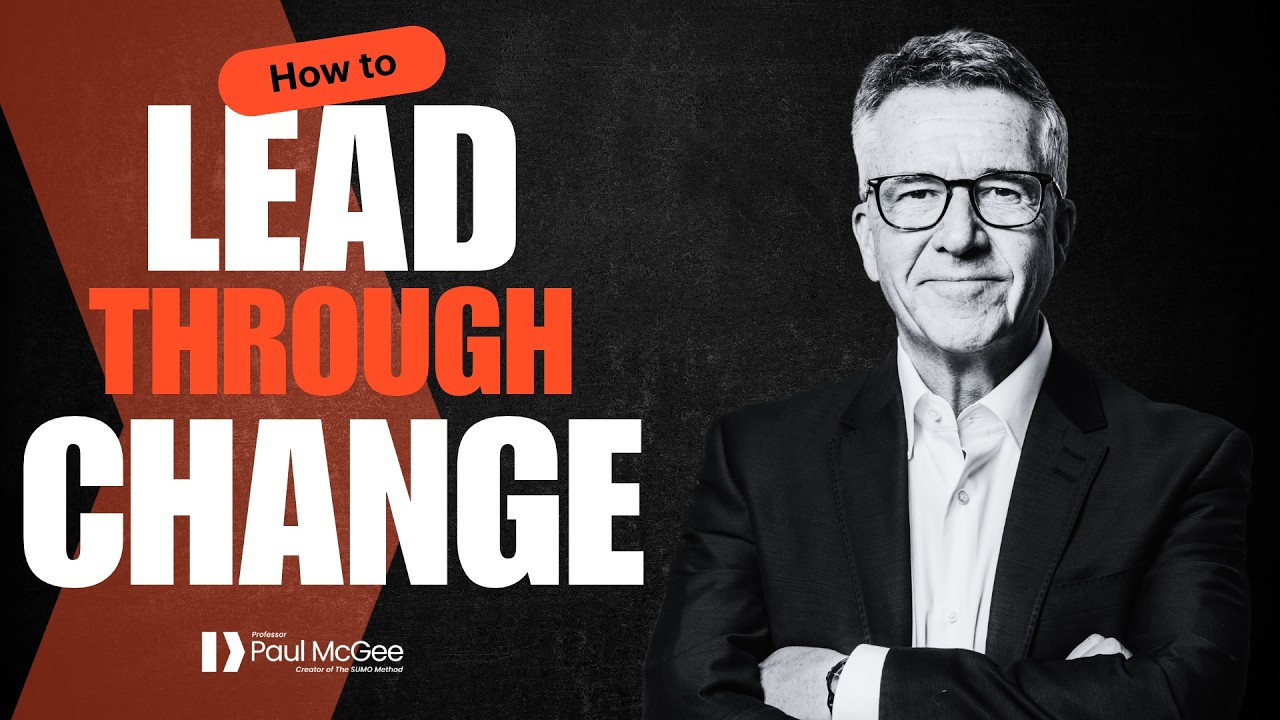
The lesson is practical: your people don’t necessarily need a perfect roadmap. They need to understand where you’re going, what matters now and when they can expect to hear more.
2. Explain what’s changing and why
People are more likely to engage constructively with change when they understand its purpose.
Simply announcing a new process, direction or structure without explaining the reasoning can create unnecessary confusion.
Leaders should be prepared to explain:
- What is changing and why the organisation believes it is necessary.
- What the intended outcome is.
- How the change may affect different teams.
- What has already been decided and what remains uncertain.
- What happens next.
This doesn’t mean everyone will agree with every decision.
But clear communication gives people a better opportunity to understand the thinking behind it.
And when leaders don’t know something, acknowledging that uncertainty is more useful than offering reassurance they cannot substantiate.
3. Recognise that change is a human challenge
Organisations often spend considerable time planning the technical and operational details of change.
New systems. New structures. New targets. New responsibilities.
Those things are important, but they are only part of the picture.
People have different experiences, expectations and concerns. One employee may welcome a new opportunity while another worries about losing a familiar way of working.
Good change leadership recognises those differences.
Instead of assuming everyone should respond positively straight away, take time to understand what people are thinking and feeling.
That might mean inviting questions, listening to concerns, or simply acknowledging that a period of change can be uncomfortable.
The aim isn’t to remove every difficulty. It’s to help people feel heard and equipped to respond constructively.
4. Help your team focus on the next step
When the future feels uncertain, looking too far ahead can become overwhelming.
Leaders can help by turning a complicated situation into manageable next steps.
Ask:
- What do we know for certain today?
- What can we influence?
- What needs our attention now?
- What will we review next?
- When will we communicate another update?
These questions help teams shift from worrying about everything that might happen towards making progress on what they can actually influence.
That doesn’t remove uncertainty.
It does, however, give people something practical to work with.
5. Remember that leaders set the tone
What leaders say matters. But how they behave matters just as much.
Paul uses the analogy of leaders being like thermostats: their mood, energy, attitude and behaviour influence the atmosphere around them.
During periods of uncertainty, that becomes particularly important.
If a leader reacts defensively to difficult questions, communicates inconsistently or appears unwilling to listen, the effects can spread through the team.
Equally, leaders who remain approachable, communicate clearly and acknowledge challenges can demonstrate a more constructive way forward.
This doesn’t mean leaders must always appear cheerful or completely confident.
It means recognising the influence their behaviour can have on the people around them.
6. Respond rather than react under pressure
Change often brings pressure.
Deadlines, difficult conversations and competing priorities can make it tempting to react quickly without properly considering the consequences.
Paul’s SUMO approach encourages people to pause, develop greater self-awareness and consider how they respond to challenges.
For leaders, that pause can be especially valuable.
Before responding to a difficult situation, consider:
- Am I reacting emotionally or responding thoughtfully?
- Have I understood the full situation?
- What assumptions am I making?
- What response will help us make progress?
- What can I learn from this?
Taking time to reflect doesn’t mean avoiding decisions.
It can help leaders make better ones.
You can learn more about the principles behind Paul’s approach on the SUMO page.
7. Keep communicating as circumstances evolve
One announcement is rarely enough to lead people successfully through change.
Even when the original message is clear, new questions and challenges will emerge as the process unfolds.
Communication needs to continue.
That could involve team briefings, individual conversations, updates on progress or opportunities for people to raise concerns.
Importantly, communication should work in both directions.
Leaders need to understand how change is being experienced, not simply whether their instructions have been received.
When plans evolve, explain what’s changed and why.
Consistency and openness help people understand that uncertainty isn’t necessarily the same thing as a lack of direction.
8. Give people practical tools, not just reassurance
There’s a difference between encouraging people to embrace change and equipping them to handle it.
Telling a team to stay positive might provide a temporary lift, but it doesn’t necessarily help them respond to difficult customers, shifting priorities or challenging workplace conversations.
That’s why practical tools matter.
Paul’s work focuses on helping people develop ways of thinking and responding that can be applied beyond an event or training session.
Through the SUMO methodology, he encourages greater self-awareness, more constructive thinking and better responses to everyday challenges.
For organisations, the aim is not simply to create an inspiring moment.
It’s to help people become more effective in how they lead, communicate and work together.
9. How can organisations support leaders through change?
Leadership teams are often expected to guide others through change while managing significant pressure themselves.
Giving them support can make an important difference.
That might include opportunities to develop communication skills, discuss difficult leadership situations, understand how people respond to change and practise more thoughtful decision-making.
Keynote talks and workshops can contribute to that process by introducing useful frameworks, prompting reflection and giving teams a shared language for navigating challenges.
However, the most valuable sessions connect those ideas to the issues the organisation is actually experiencing.
Paul works with organisations to help leaders and teams navigate change, build resilience and communicate more effectively.
His sessions combine humour, relatable examples and practical ideas that people can apply in their working lives.
Explore Paul’s keynote speaking and leadership workshops.
Frequently asked questions about leading through change
How do you lead a team through change?
Start by explaining what’s changing and why. Be honest about uncertainty, communicate the direction clearly, listen to concerns and help people focus on practical next steps. Continue communicating as circumstances evolve.
Why is leading through change difficult?
Change can affect people’s expectations, routines, responsibilities and confidence. Leaders must manage operational decisions while also supporting people who may experience the same change in very different ways.
How can leaders communicate during uncertainty?
Be clear about what is known, what remains undecided and what happens next. Avoid making promises you cannot guarantee, create opportunities for questions and provide updates as new information becomes available.
What is the role of leadership in organisational change?
Leaders help establish direction, communicate the purpose of change, support their teams and demonstrate constructive behaviour. Their decisions and attitudes influence how people experience and respond to the process.
How can you help employees who are resistant to change?
Begin by understanding their concerns rather than assuming resistance is unreasonable. Explain the purpose of the change, listen to feedback, offer appropriate support and help people understand what they can influence.
Can a keynote speaker help an organisation navigate change?
A relevant keynote can help people understand change from a different perspective, introduce practical ideas and support a wider leadership or employee-engagement programme. The value depends on the relevance of the content, the audience and how the organisation follows through afterwards.